
Understanding the Importance of Strength in Hinges
When it comes to construction and various DIY projects, the small components often play the most significant roles. Hinges are one such component. They may seem inconspicuous at first glance, but their importance cannot be overstated.  are the backbone of any robust structure, providing the necessary support and stability to doors, gates, and cabinets. Without the right hinges, even the most well-constructed door can become a liability, sagging or failing at inopportune moments.
Heavy-duty hinges offer more than just additional strength; they ensure the longevity and durability of your installations. Whether you’re working on a residential gate or a commercial warehouse door, the right hinge can make or break the project. These hinges are designed to handle substantial weights and endure frequent use, making them indispensable in high-traffic areas and for heavier structures. The strength of these hinges directly contributes to the overall safety and functionality of the installation.
Moreover, the importance of strong hinges extends beyond mere physical support. They also impact the ease of use and the user experience. A well-installed heavy-duty hinge allows for smooth operation, reducing the effort required to open or close a door. This is particularly crucial in environments where accessibility is a concern, such as in public buildings or homes with elderly residents. By investing in top-quality heavy-duty hinges, you ensure that your projects are not only sturdy but also user-friendly.
Key Features of Top Heavy Duty Hinges
When selecting heavy-duty hinges for your project, it’s essential to understand the key features that set the best ones apart from the rest. One of the primary characteristics to look for is the material composition. High-quality heavy-duty hinges are typically made from durable materials such as stainless steel, brass, or bronze. These materials are known for their strength and resistance to corrosion, ensuring that the hinges can withstand harsh environmental conditions without deteriorating.
Another vital feature is the load-bearing capacity. Heavy-duty hinges are explicitly designed to handle significant weights, often supporting hundreds of pounds. This capability is crucial for applications involving large doors or gates, where standard hinges would fail under the strain. The load-bearing capacity is usually indicated in the product specifications, allowing you to choose the right hinge based on the demands of your project.
Additionally, the design and construction of the hinge play a crucial role in its performance. Top heavy-duty hinges often feature ball bearings or other mechanisms that facilitate smooth movement and reduce friction. This not only enhances the ease of use but also extends the lifespan of the hinge by minimizing wear and tear. Some heavy-duty hinges also include features such as adjustable tension, which allows for fine-tuning the hinge’s performance to match the specific requirements of your installation.
Types of Heavy Duty Hinges and Their Applications
Heavy-duty hinges come in various types, each designed to serve specific applications. One of the most common types is the continuous hinge, also known as a piano hinge. These hinges run the entire length of the door or panel, providing uniform support and ensuring even distribution of weight. Continuous hinges are ideal for applications where stability and strength are paramount, such as in commercial doors or heavy cabinets.
Another popular type is the butt hinge, which consists of two rectangular leaves joined by a pin. Butt hinges are commonly used in residential and commercial doors due to their robust construction and ease of installation. They are available in various sizes and materials, allowing for customization based on the project’s requirements. Butt hinges can handle substantial weights, making them suitable for heavy doors and gates.
Strap hinges are another type of heavy-duty hinge often used in gates, barn doors, and other large installations. These hinges feature long, tapered leaves that provide additional support and stability. Strap hinges are not only functional but also offer an aesthetic appeal, often adding a rustic or traditional look to the installation. Their robust design makes them perfect for outdoor applications where strength and durability are essential.
How to Choose the Right Heavy Duty Hinge for Your Project
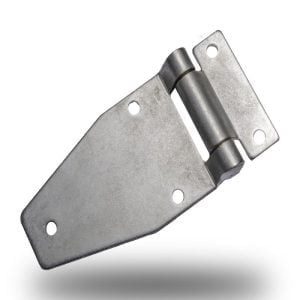 Selecting the appropriate heavy-duty hinge for your project involves considering several factors to ensure optimal performance and longevity. The first step is to assess the weight and size of the door or gate you are working with. The hinge’s load-bearing capacity should be sufficient to support the weight without causing strain or deformation. It’s always advisable to choose a hinge with a higher capacity than the actual weight to account for additional stress and potential impacts.
Next, consider the environmental conditions where the hinge will be installed. For outdoor applications or areas exposed to moisture, it’s crucial to select hinges made from corrosion-resistant materials such as stainless steel or galvanized steel. These materials can withstand harsh weather conditions and prevent rust, ensuring the hinge remains functional over time. For indoor applications, you may have more flexibility in material choice, but durability should still be a priority.
The specific design and functionality requirements of your project will also influence your choice of hinge. For instance, if you need a hinge that allows for easy removal of the door, a lift-off hinge would be suitable. On the other hand, if you require a hinge that provides continuous support along the entire length of the door, a continuous hinge would be the best option. Additionally, consider features such as adjustable tension or self-closing mechanisms if they align with your project’s needs.
Installation Tips for Heavy Duty Hinges
Proper installation of heavy-duty hinges is crucial to ensure their effectiveness and longevity. Begin by accurately measuring and marking the positions where the hinges will be mounted. This step is essential to ensure that the hinges are aligned correctly and can support the door or gate evenly. Use a level to verify the alignment and make any necessary adjustments before proceeding with the installation.
When drilling pilot holes for the screws, ensure that the holes are slightly smaller than the screws to provide a secure fit. It’s also advisable to use screws that are long enough to penetrate deep into the door or gate and the supporting structure. This enhances the stability of the hinge and prevents it from loosening over time. For added strength, consider using screws with thicker diameters or those specifically designed for heavy-duty applications.
During installation, it’s important to check the movement and alignment of the door or gate frequently. This allows you to make any necessary adjustments before fully securing the hinges. Ensure that the door or gate opens and closes smoothly without any obstructions or uneven pressure. Once the hinges are securely fastened, test the installation by applying additional weight or pressure to ensure that the hinges can handle the load without any issues.
Maintenance and Care for Longevity
Maintaining heavy-duty hinges is essential to ensure their longevity and optimal performance. Regular inspection is the first step in preventive maintenance. Check the hinges periodically for signs of wear, rust, or damage. Pay close attention to the hinge pins and screws, as these components are crucial for the hinge’s functionality. If you notice any loose screws, tighten them immediately to prevent further issues.
Lubrication is another critical aspect of hinge maintenance. Heavy-duty hinges often endure significant stress and friction, which can lead to wear over time. Applying a high-quality lubricant to the hinge joints and pins can reduce friction and ensure smooth operation. It’s advisable to use lubricants specifically designed for metal components, as they provide better protection and longevity compared to general-purpose lubricants.
In addition to regular inspections and lubrication, it’s important to clean the hinges to remove dirt, debris, and moisture. Accumulated dirt can cause the hinges to become stiff, while moisture can lead to rust and corrosion. Use a soft cloth and a mild cleaning solution to wipe down the hinges, and ensure they are thoroughly dried afterwards. For outdoor hinges, consider applying a protective coating or paint to shield them from the elements.
Comparing Heavy Duty Hinges: Materials and Durability
The choice of material significantly impacts the durability and performance of heavy-duty hinges. Stainless steel is one of the most popular materials due to its exceptional strength and resistance to corrosion. Stainless steel hinges are ideal for both indoor and outdoor applications, as they can withstand harsh environmental conditions without deteriorating. Additionally, stainless steel hinges offer a sleek and modern appearance, making them suitable for a wide range of aesthetic preferences.
Brass is another commonly used material for heavy-duty hinges. Brass hinges are known for their durability and resistance to wear and tear. They also have a distinct aesthetic appeal, often adding a touch of elegance to the installation. However, brass may not be as resistant to corrosion as stainless steel, making it more suitable for indoor applications or areas with minimal exposure to moisture.
Bronze hinges are also highly durable and offer excellent resistance to corrosion. Bronze is an alloy that typically includes copper, making it less prone to rust compared to iron-based materials. Bronze hinges are often used in marine environments or other areas with high humidity levels. They also develop a unique patina over time, adding a vintage or antique look to the installation. When comparing materials, it’s important to consider both the functional requirements and the aesthetic preferences of your project.
Common Mistakes to Avoid When Using Heavy Duty Hinges
While heavy-duty hinges are designed to provide unmatched strength and durability, improper use or installation can compromise their performance. One common mistake is selecting the wrong type of hinge for the project. Each type of heavy-duty hinge has specific applications, and using the wrong one can lead to inadequate support and potential failure. It’s essential to thoroughly research and choose the hinge that best matches the needs of your installation.
Another frequent mistake is overlooking the importance of proper alignment. Misaligned hinges can cause the door or gate to hang unevenly, resulting in increased stress on the hinges and the supporting structure. This can lead to premature wear and potential failure. Always use a level and measure carefully to ensure that the hinges are installed in the correct positions and aligned properly.
Failing to secure the hinges adequately is another common error. Using screws that are too short or not designed for heavy-duty applications can cause the hinges to loosen over time. It’s crucial to use the appropriate screws and ensure they are tightly fastened. Additionally, neglecting regular maintenance, such as lubrication and tightening of screws, can lead to decreased performance and a shorter lifespan for the hinges. By avoiding these common mistakes, you can ensure that your heavy-duty hinges provide reliable support and durability for your projects.
Conclusion: Elevate Your Projects with the Right Hinges
In conclusion, the right heavy-duty hinges are essential for ensuring the strength, durability, and functionality of your projects. Whether you’re working on residential doors, commercial gates, or heavy cabinets, investing in top-quality hinges can make a significant difference. Understanding the importance of hinge strength, recognizing the key features of high-quality hinges, and selecting the appropriate type for your specific application are crucial steps in achieving the best results.
Proper installation and regular maintenance are also vital to ensure the longevity and optimal performance of heavy-duty hinges. By following the tips and guidelines provided, you can avoid common mistakes and enhance the reliability of your installations. Comparing materials and considering both functional and aesthetic requirements will help you make informed decisions and choose the best hinges for your projects.
Ultimately, heavy-duty hinges are more than just hardware components; they are the foundation of sturdy and reliable structures. By elevating your projects with the right hinges, you can achieve unmatched strength and durability, ensuring that your installations stand the test of time. Invest in quality, pay attention to detail, and enjoy the benefits of robust and long-lasting hinges in all your construction and DIY endeavors.